Inter-Ethnic Solidarity Seen as Effective in Countering Attempts to Divide the Nation

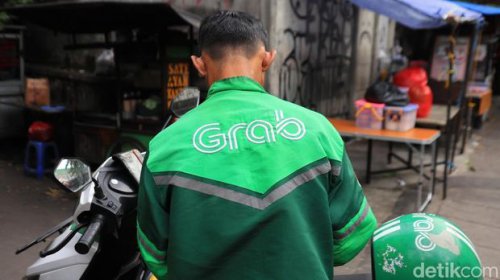
Solidarity among Indonesia’s diverse ethnic groups, particularly between the Chinese community and others, is increasingly viewed as strengthening. This was most visible during protests in late August 2025, when calls to attack Chinese-owned shops were instead countered by appeals for unity and protection across ethnic lines.
Responding to the development, Andrew Susanto, Chairman of the Association of Chinese Peranakan Indonesians (Aspertina), urged greater participation from the community in nation-building. “The contributions of Chinese figures past and present show that the Chinese are an inseparable part of Indonesia. It is important for us to strengthen this belief and work together to build our beloved Republic of Indonesia,” he said.
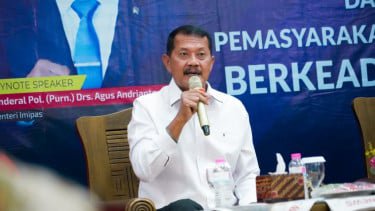
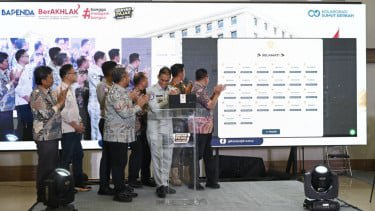
The remarks were made during a public discussion titled “For Indonesia: Chinese and Activism from Time to Time”, held in Jakarta on 13 September 2025. The event was organised by the Indonesian Chinese Youth Association (IPTI), Aspertina, and the Indonesian Sinology Forum (FSI).
Attending the event were IPTI Chairman Ardy Susanto Oey and FSI founder Johanes Herlijanto. Ardy stated, “Just as the Indonesian diaspora abroad considers foreign countries their homeland, the Chinese regard Indonesia as their homeland.”
Researchers at FSI regard the surge in solidarity as a positive outcome of growing recognition that the Chinese are a full and integral part of Indonesia. FSI Secretary Muhammad Farid noted, “Since the beginning of nation-building, there have always been Chinese groups who chose to side with Indonesia rather than foreign powers, whether Dutch colonialism or China.”
Farid highlighted the long-standing involvement of Chinese Indonesians in social and political activism. “In the past, we knew names like Soe Hok Gie, Yap Thiam Hien, Ester Indahyani Yusuf, Hendrawan Sie, and Yap Yun Hap, who not only fought but sacrificed themselves for a better nation and society,” he said.
According to Farid, such activism is not only a story of the past but continues in the present day. “Through social media, they use the term ‘Chindo’ and proudly highlight their Indonesian identity,” explained Farid, who is also a lecturer at President University.
For BRIN researcher Lidya Christin Sinaga, these narratives are vital in preserving the nation’s collective memory. “Maintaining this memory is important because public events leave deep marks on those who experience them, particularly the young who are in the process of constructing their identities,” she said.
Historian Didi Kwartanada reminded the audience of Chinese activists before and after independence, including lawyer Mr Tjan Gwan Kwie, who defended farmers in Banyuwangi in 1943. He also cited Yap Thiam Hien, a renowned human rights advocate, whose name is remembered through the Yap Thiam Hien Award.
Meanwhile, young activist Daniel Winarta, now with Jakarta Legal Aid Institute, reflected on the pressures facing his generation. “First, we bear the burden of history that existed before we were born,” he said, warning that fear within the community continues to hold back youth involvement in activism.